The Story
The PCT changed
everything.
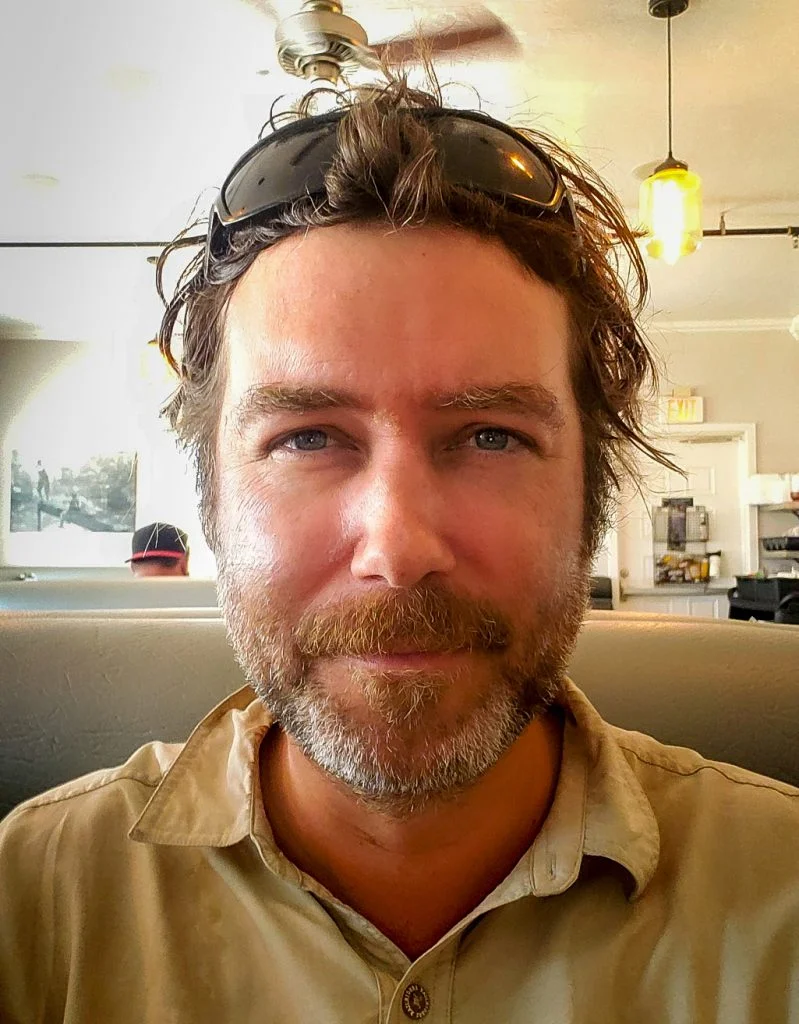
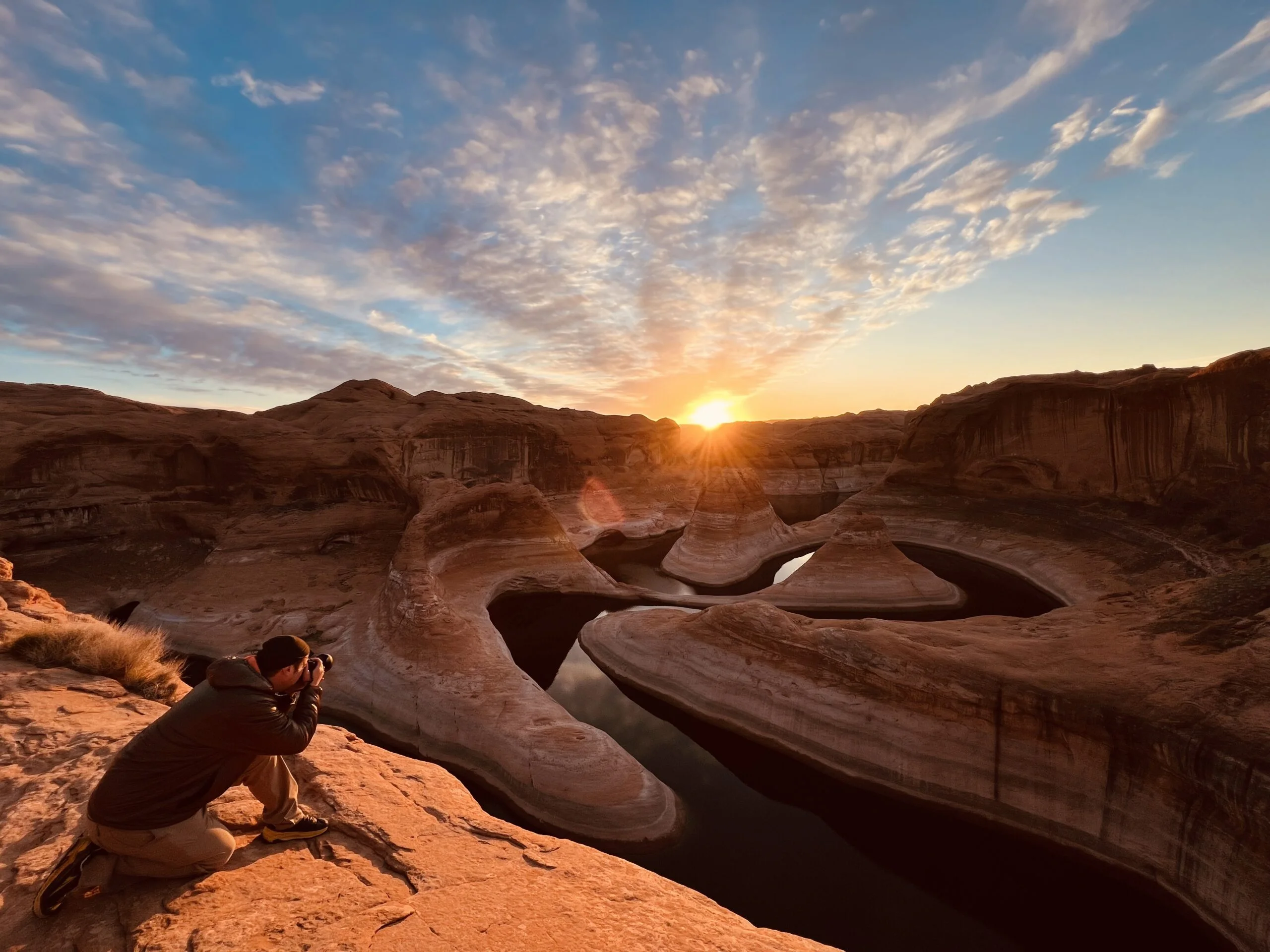
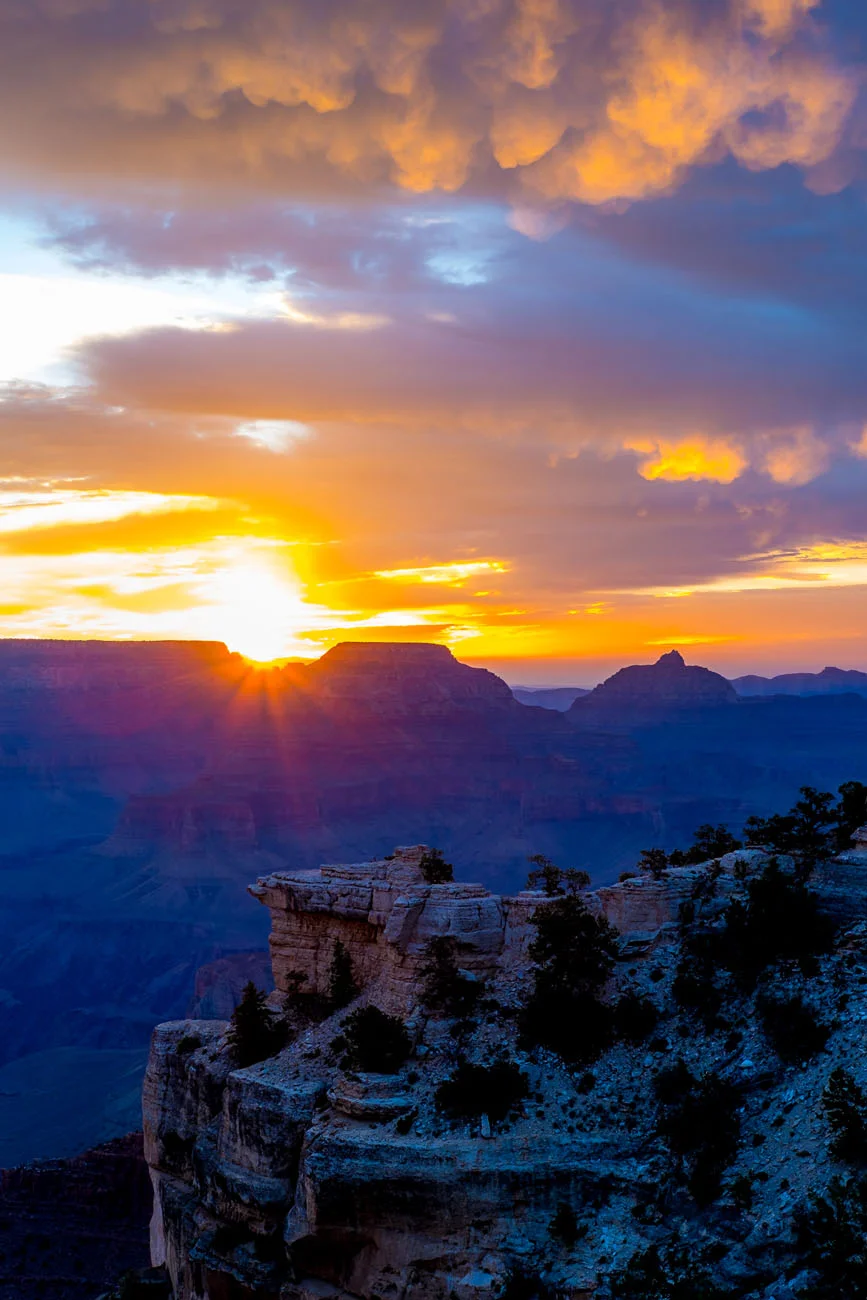
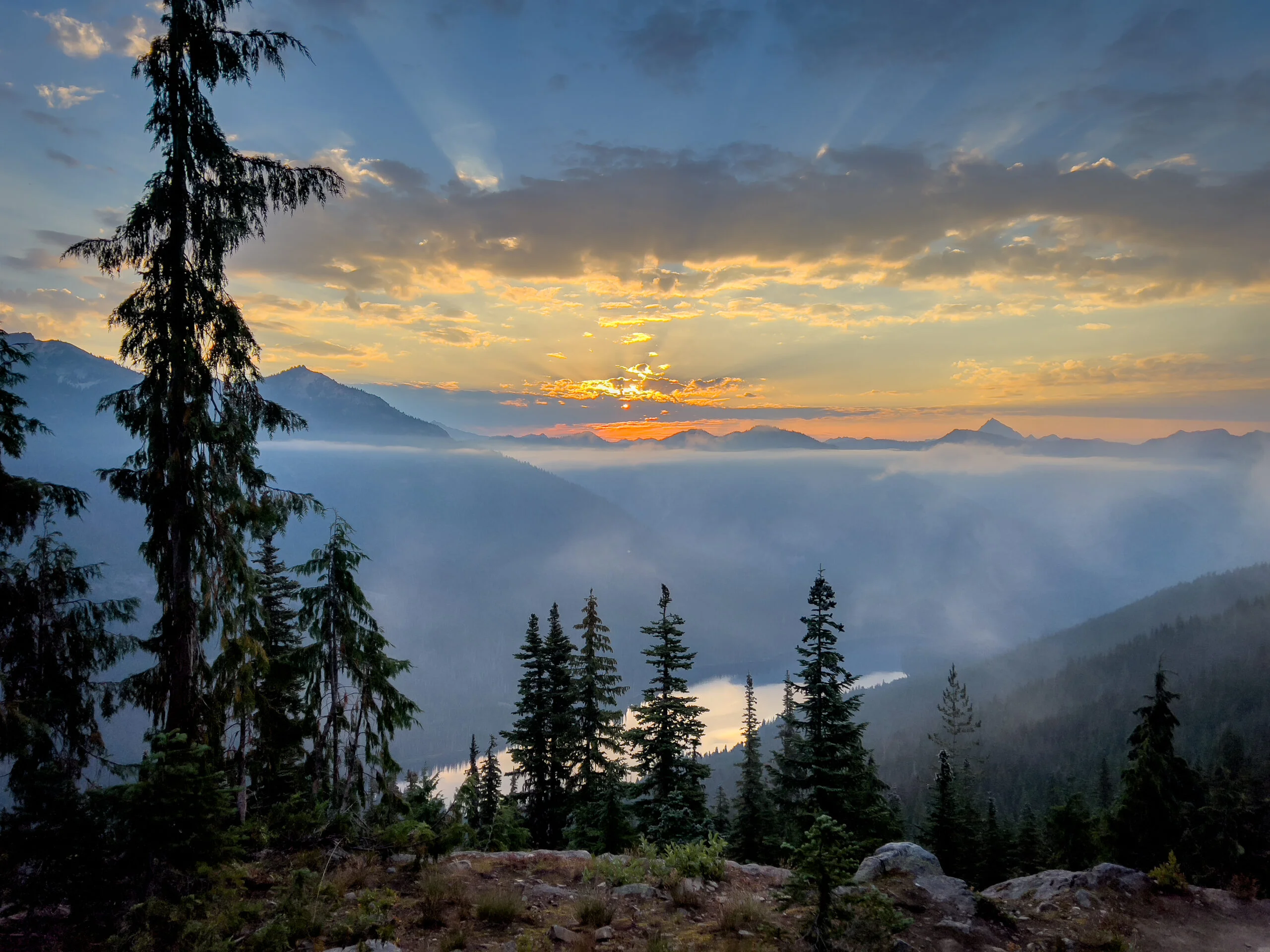
Most photographers talk about the golden hour. Tim talks about the hour before that — when you've been walking since 4am to position yourself at exactly the right angle, at exactly the right moment, because you've studied the light for weeks and you know what's coming.
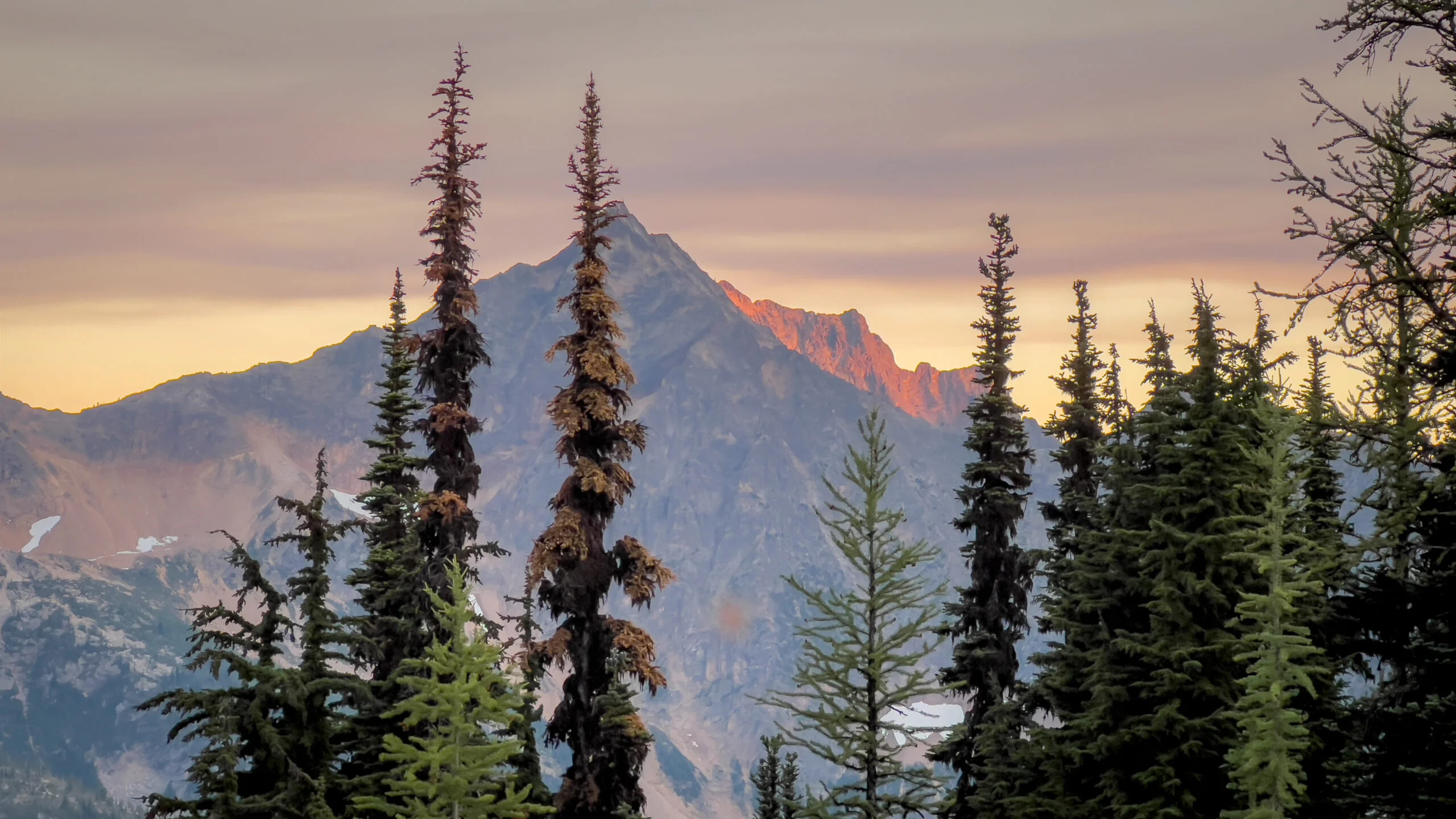
That's what three completions of the Pacific Crest Trail teaches you. The PCT is 2,650 miles of continuous wilderness from Campo, California to the Canadian border at Manning Park, British Columbia. Tim has walked it 3 times, totaling over 9,000 miles on that single trail alone.
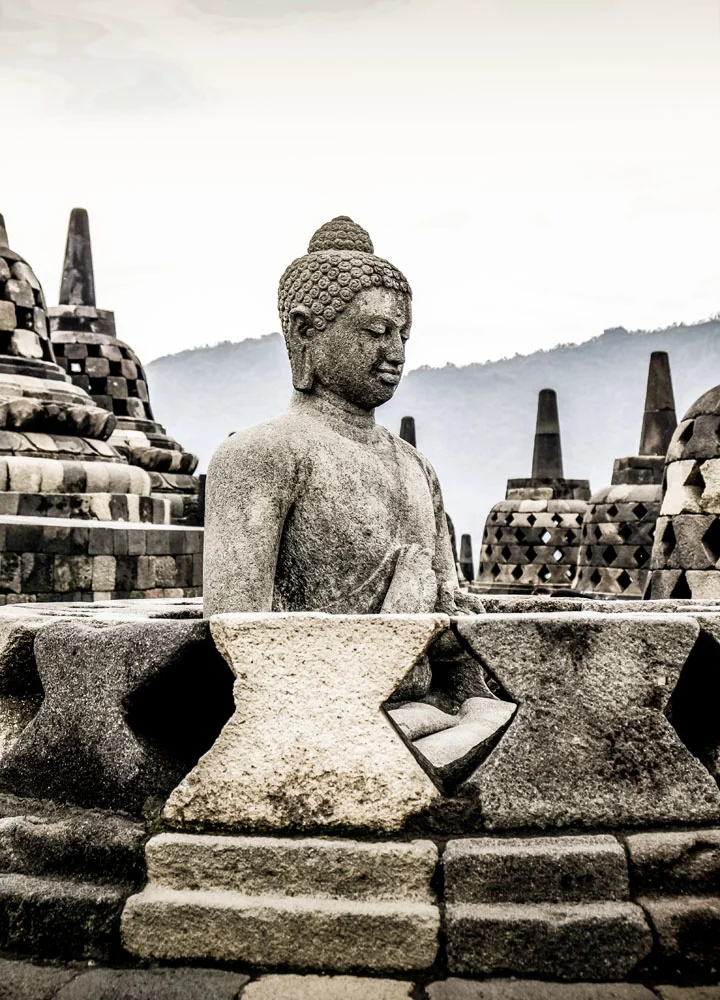
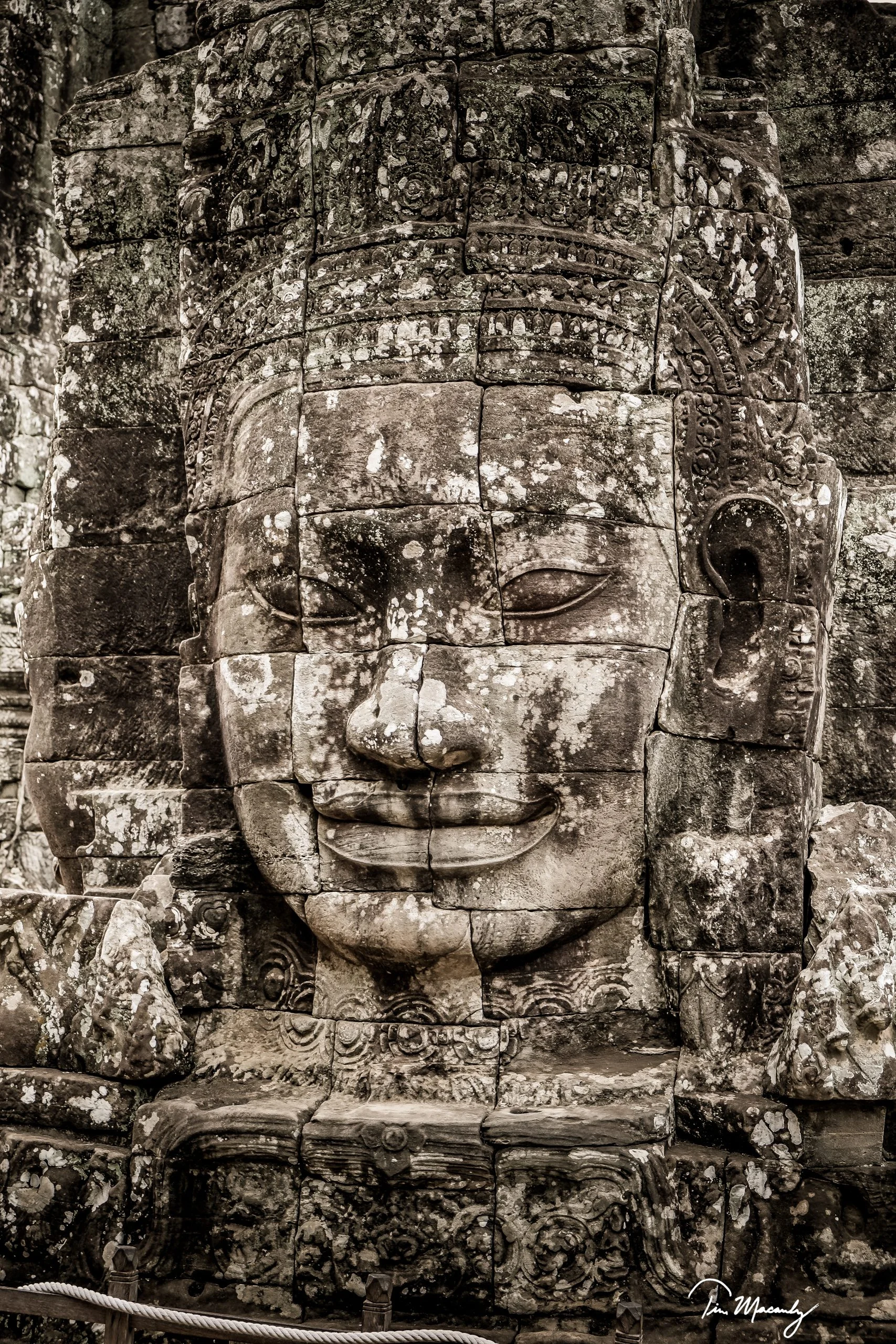
But the PCT is just home base. Tim's lens has followed him to the jungles of Cambodia and Indonesia, the ancient streets of Lisbon and Barcelona, the chaos of Saigon, the geometric perfection of Angkor Wat at first light, and the Shinto shrines and bamboo forests of Honshu. He shot Borobudur — the world's largest Buddhist monument — in the mist of a Javanese morning. He walked the wet Levadas of Madeira, ancient irrigation channels carved into cliffsides off the coast of Morocco. He's stood at the foot of Kirkjufell — Iceland's iconic Church Mountain — where the western plains dissolve into the North Atlantic. He got close enough to a Galápagos sea lion to see the whiskers.
South America has called him too — into the cloud forests and volcanic highlands of Ecuador, and deeper still into the Amazon rainforest. The Galápagos Islands, technically Ecuadorian but a world entirely their own, put him eye-to-eye with blue-footed boobies and iguanas that have never learned to fear a camera. India added yet another dimension — ancient temples, overwhelming color, sacred ritual, and a light that exists nowhere else on earth.
Not all of it is planned. Two hours by tuk-tuk beyond Siem Reap sits Beng Mealea, a Khmer temple that collapsed centuries ago and, unlike most of the great Angkor sites, was never put back together. The jungle has been taking it back ever since, and you pick your way over the rubble half expecting Indiana Jones around the next corner. On the way home the tuk-tuk blew a tire in a small village of farmers, who waved him in and let him sleep through the worst of the afternoon heat while it was patched. They put something cold in his hand; his driver, who was also translating, quietly settled up with them afterward. One of the photographs in this gallery — a baby asleep in a hammock, strung up over the sand — is from that afternoon. It exists because of a flat tire.
Reaching Isla Isabela in the Galápagos took a chain of buses and small boats, one of which stopped halfway across a hundred-foot channel so that a dollar could be collected from every passenger aboard. You pay it. You are, after all, in the middle of the channel.
Iceland fed him hákarl — Greenland shark, which is poisonous fresh, buried to rot for months and then hung in the wind to dry — with a shot of caraway-flavoured brennivín to send it down. Anthony Bourdain called it probably the single worst thing he had ever put in his mouth. Andrew Zimmern rated the taste sweet, nutty and faintly fishy, "if you like ammoniated wax". Gordon Ramsay spat his straight out. The Ecuadorian Amazon went better. A guide there promised him that mojojoy — thumb-sized palm weevil larvae, bought live at a market and handed to the host family, who were delighted and grilled the lot — would taste like bacon. They did not. They were perfectly acceptable anyway, once he got past the idea of them. The shark remains the only thing he refuses to do twice.
His photography philosophy is simple: the camera captures what you put yourself in front of. So put yourself in front of something worth seeing.
Tim documented his first PCT thru-hike in daily journal entries, written on trail as it happened — 2,650 miles of the story behind these photographs. Read the journal at thelonghike.com →
He's been a lifelong storyteller. When he's not telling stories with a camera, he's writing them down. talesbytim.com